
Most photographers did not start a business to sit at a desk. They started it to chase light, to stand in the right doorway at the right second, to give people pictures they could not have taken themselves. Then the shoot ends, and the other half of the job begins.
The hidden second shift
A day of shooting is followed by evenings, and often weekends, of culling, colour and retouching. Photographers know this cost well, even if clients never see it. It limits how many shoots can be accepted, delays delivery and, over time, wears down the joy that brought them to the work in the first place.
White-label means your name stays on the work
Working with a post-production partner does not mean giving up authorship. In a white-label arrangement the work comes back to you, in your style, to deliver under your name. Your client sees your gallery. You see your evenings return.
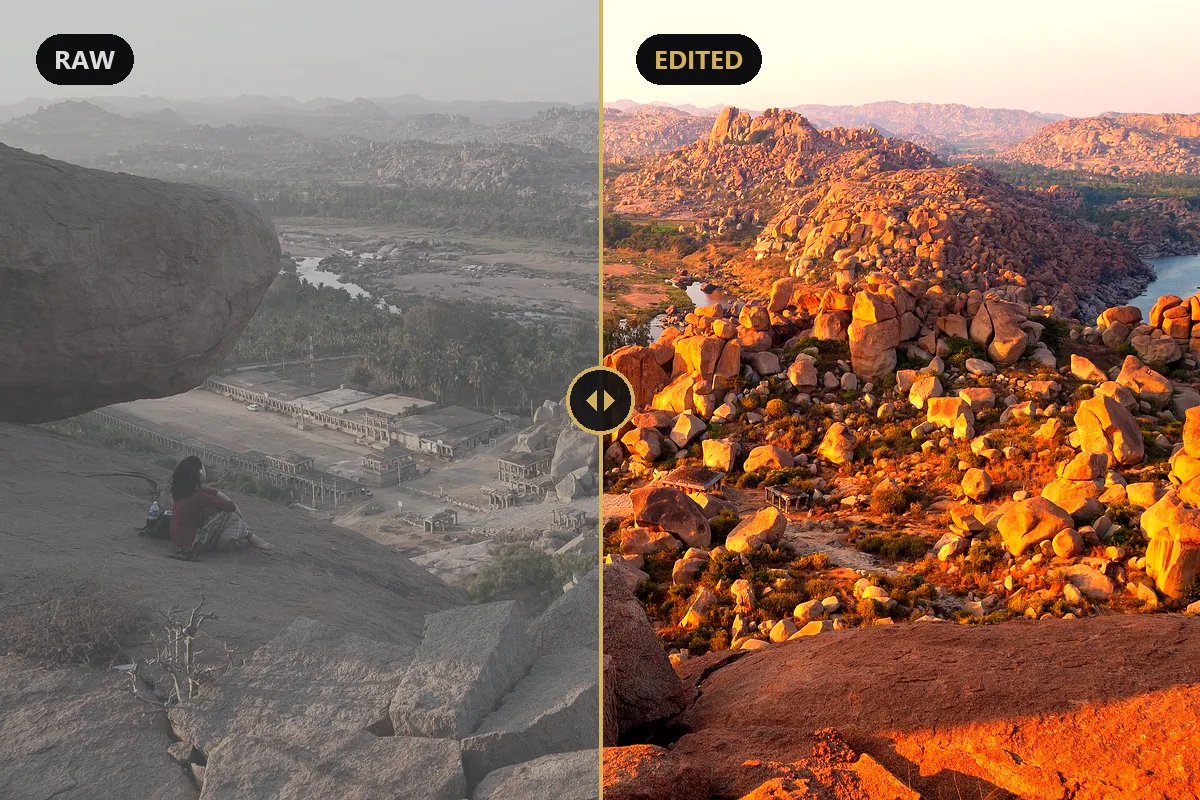
The aim is not to replace your eye. It is to protect it.
A style guide makes it work
The difference between an edit that feels like yours and one that does not is almost always in the briefing. A short style guide gives an editor what they need to match you: a reference gallery, notes on skin tone, your preferences for black and white, favoured crops, and anything you never want touched. The more specific it is, the better the first pass.
Start small
- Send one test batch: a single session or a small gallery
- Review the results against your own edits and leave plain, honest notes
- Refine the style guide, then send the next batch
- Scale up only when the work feels like yours
What you do with the time
Some photographers take more bookings. Some shorten their turnaround and win referrals because of it. Some simply stop working on Sundays. Any of these is a good answer, and it is yours to choose.
If you are curious how this looks in practice, see how we work with photographers.