
Every wedding photographer knows the quiet that follows the last dance. The cards are full, the car is loaded, and the story exists only as thousands of files nobody has seen yet. The camera has done its part: it recorded what happened. What it cannot do is decide what it meant.
The edit is where the story finds its voice
A raw file is honest but unfinished. It is flat on purpose, holding as much light and colour as the sensor could catch so that nothing is lost on the way. Editing is the long, careful act of choosing what to keep, what to bring forward and what to let quietly fall away.
Look at the pair below. Same frame, same second, same two people. The only thing that changed is the care taken afterwards.
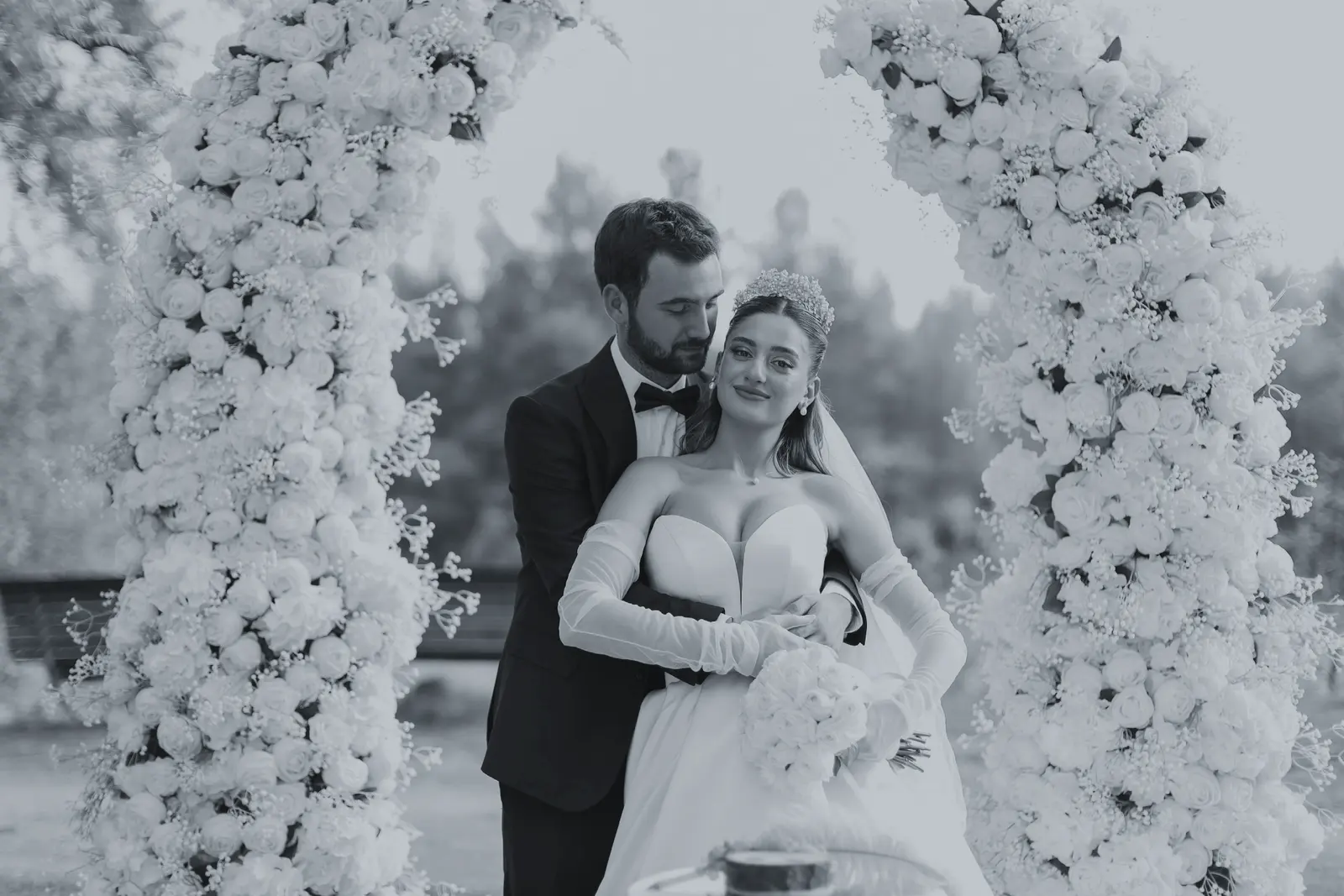 Raw
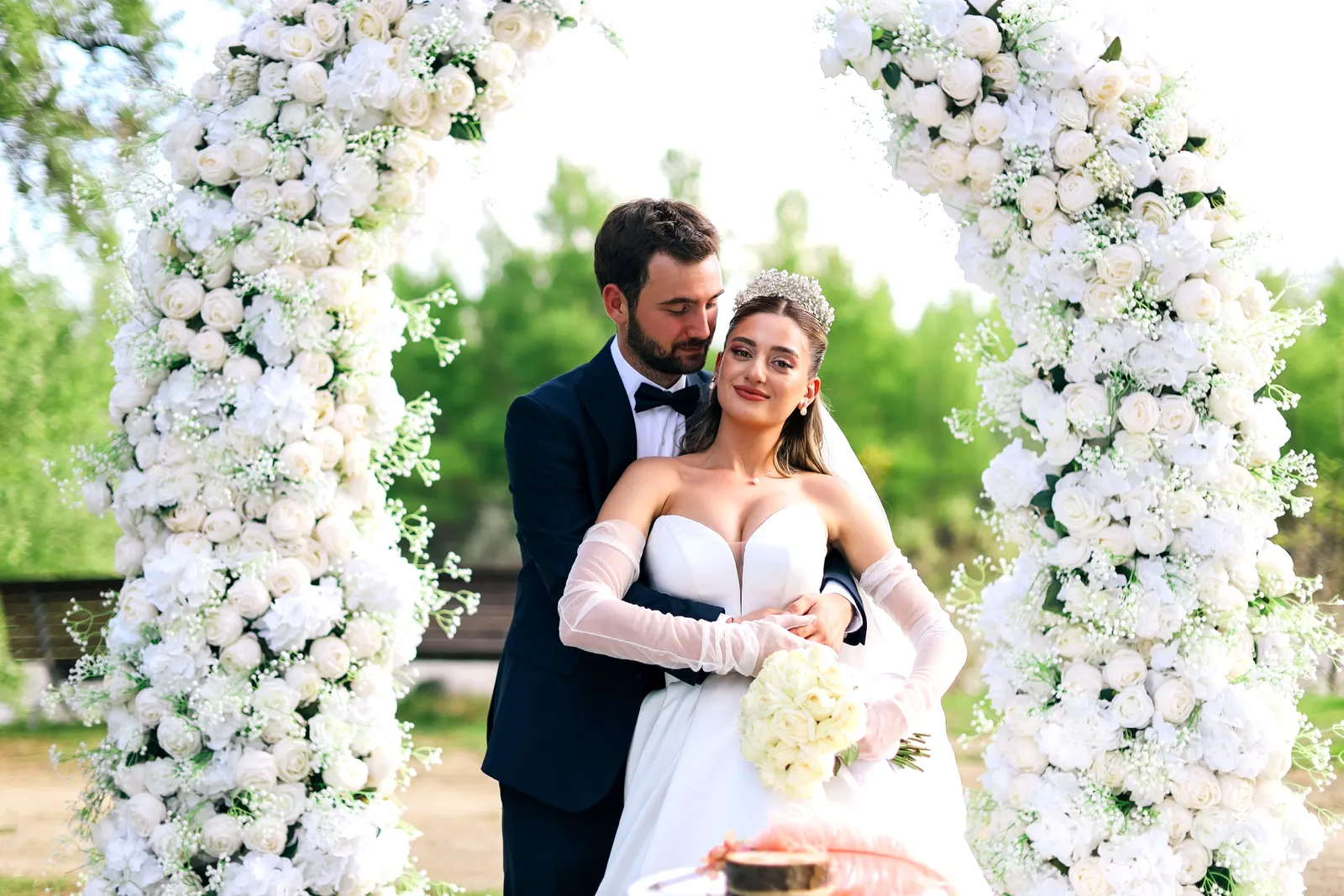 Edited
Four decisions that change a photograph
- Light. Where should the eye land first? Shaping light after the fact guides attention the way a good director would.
- Colour. Warmth that feels like the day itself, not like a filter laid over it. Whites stay white; marigold stays marigold.
- Skin. Natural, never plastic. Families look for faces first, and they notice at once when something is off.
- Finish. Crops, clean-up and consistency: the small corrections that stop a viewer's eye from snagging.
Good editing is invisible. The family should feel the day again, not notice the work.
From the first frame to the final delivery
None of these decisions happens in one sitting. A photograph moves through stages, and each is a place where something can be lost or gained. Rushing the early stages makes the later ones harder; skipping the last one leaves a gallery that is almost, but not quite, finished.
Consistency is the quiet luxury
One beautiful image is craft. Eight hundred images that feel like they belong to the same day is discipline. A hall lit by tungsten, a courtyard in open shade and a mandap under midday sun will all disagree with one another straight out of the camera. Bringing them into one voice is slow work, and it is exactly the work a gallery is judged on once the excitement has faded and only the pictures remain.
Questions worth asking before you commission an edit
- Can I see a sample on one of my own files, not only on yours?
- How will you handle mixed lighting inside a single gallery?
- What does turnaround look like, and how are revisions handled?
- Who can see my files, and how are they stored and removed afterwards?
These are the questions we would ask too. At Veda Motion we think of editing as stewardship. A couple trusted someone with the most important day of their lives, and that trust travels all the way down the line to us. Our job is to hand it back finished, honest and ready to be remembered.