
Footage is not a film. Somewhere between nine hours of recordings and the six minutes a family will replay for years sits a handful of quiet decisions, and they decide almost everything about how the film feels.
1. Selects: watch for feeling, not for shots
The first pass is only watching. Not cutting, not fixing, just noticing where the breath catches. A bride laughing at her father's toast. A cousin wiping his eyes behind the camera. The pause before the pheras begin. Those moments are marked first. Technically perfect shots that feel like nothing are set aside without ceremony.
2. Spine: decide what the film is about
Every good wedding film is about one thing underneath the schedule. Two families becoming one. A grandmother who waited years for this day. The calm of a couple who already knew. Naming that spine early gives every later choice a test: does this shot serve it, or not?
Cut for the feeling first. Then check the facts.
3. Pace: let the music breathe
Cutting on every beat is easy and tiring. The better rhythm follows the music's breathing: quick when the song lifts, still when it lowers, with long holds on faces because faces are where the story lives. Silence, used once or twice, makes everything around it louder.
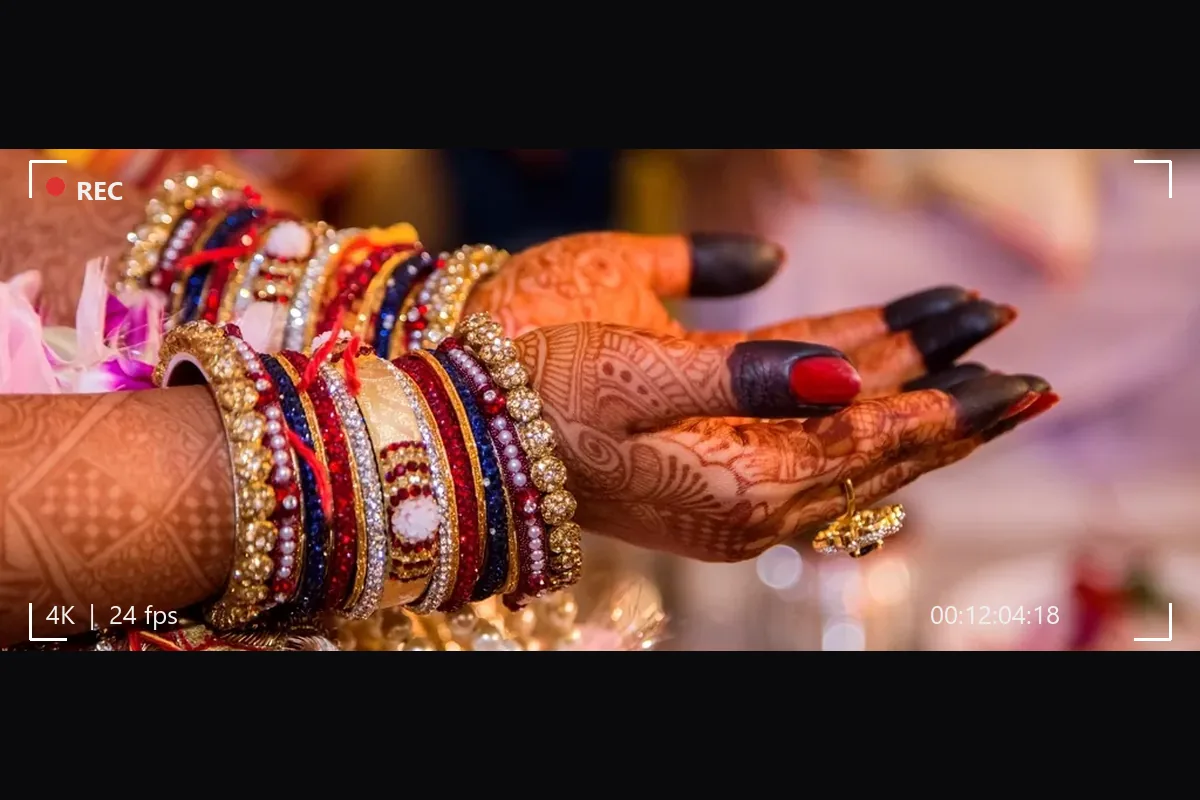
4. Colour: one day, many cameras
A wedding is shot on several cameras in several kinds of light, from the amber glow of a haldi morning to the deep blues of a sangeet night. Grading brings them into one world: matching skin tones, protecting the saturation of silk and marigold, and giving the film a mood that suits the couple rather than a passing trend.
5. Sound: half the film
Vows, a shehnai drifting across a courtyard, the rustle of a veil, laughter from the third row. Clean, balanced sound is what makes a film feel present. Poorly handled audio is the quickest way to break a memory, so we treat it as seriously as the picture.
Two films, not one
Most couples are best served by a short highlight, made to be shared, and a longer cut, made to be kept. The highlight is the trailer for the memory. The long film is the memory itself, with the speeches left whole and the quiet moments given room. Deciding early which one you are making saves a great deal of heartache in the edit.
This is the work we do for photographers and filmmakers who want their footage finished with the same care they gave it in the field. If a film is waiting on your drive, we would be glad to help it become the version a family returns to. You can see the kind of work we mean in our portfolio.